
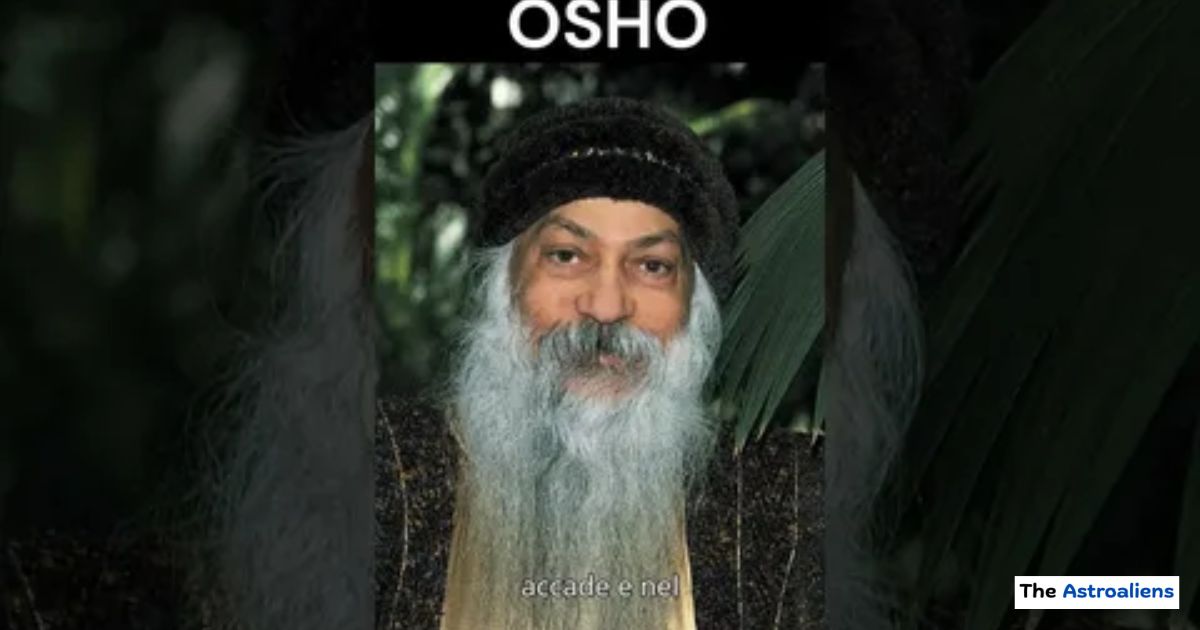
Who Was Osho (Rajneesh)?
Osho Early Life and Childhood

Osho was born on 11 December 1931 in Madhya Pradesh, India to Sw Devateerth Bharti (father) and Saraswati Jain (mother). Growing up in a Brahmin family, he displayed an early interest in philosophy and questioning societal norms. Even as a child, Osho was curious, often challenging teachers and elders, showing signs of a mind that sought freedom and truth beyond conventional education.
He was known for his playful and rebellious nature, which made him stand out among peers. His early exposure to religion and spiritual texts laid the foundation for his later teachings. Stories of his childhood often highlight his deep observation skills and unique perspective on life, making it clear why he would later become a spiritual teacher / spiritualist with global influence.
Education and Academic Journey
Osho attended Hitkarini College in Jabalpur and later studied at D. N. Jain College, also in Jabalpur, where he immersed himself in philosophy and literature. His education shaped him into a critical thinker and an eloquent Indian philosopher and public speaker, capable of challenging orthodox views. He soon became known for his lectures and public talks, which drew large audiences intrigued by his radical ideas.
During this period, Osho’s academic journey was not just about books. His interactions with fellow students and teachers influenced his Human Potential Development approach, emphasizing self-awareness, creativity, and personal growth. His studies laid the groundwork for his later success in both India and the United States / Oregon, where he would establish his spiritual communities.
Spiritual Journey and Transformation
Osho’s spiritual journey began in the 1960s, when he traveled across India as a public speaker, questioning traditions and religious dogmas. He embraced the Neo-sannyasin movement, creating a community of dedicated followers who adopted meditation and Human Potential Development techniques. He encouraged self-discovery through meditation and mindfulness, combining Eastern wisdom with modern methods to inspire inner transformation.
Moving to Mumbai, India, Osho started gathering disciples and experimenting with new forms of spiritual practice. By 1974, he had relocated to Pune, India, where he established the Osho Ashram Pune, which became the center of his teachings. His Westernization of teachings helped attract international followers, creating a unique blend of Eastern philosophy and global appeal.
Osho Philosophy and Teachings

Osho’s Osho philosophy centered on freedom, love, celebration, and creativity. He encouraged followers to break free from societal norms and embrace life fully. His teachings emphasized focus on meditation, mindfulness, love, celebration, creativity, humor, and questioned rigid adherence to religious conventions. He believed that joy and personal growth were spiritual paths in themselves.
He also reinterpreted ancient spiritual texts, merging traditional wisdom with modern ideas. Osho’s syncretic teachings influenced the global spiritual landscape, particularly among those seeking alternatives to formal religion. His ideas on sexuality, social reform, and meditation techniques challenged norms and shaped the Neo-sannyasin movement across the world.
Rise as a Public Speaker and Leader
Osho quickly became a popular figure through lectures and public talks. His energetic style and deep insights drew large crowds in India. His fame spread internationally as Western followers / Western audience were fascinated by his blend of Human Potential Development programs and spiritual philosophy.
He became a key figure among spiritual leaders of India, known for his bold critique of politics, religion, and social norms. His approach combined charisma with intellectual depth, making him a compelling controversial spiritual leader whose influence extended beyond India to Europe and America.
Osho Ashram and Social Life
The Osho Ashram Pune became a hub for meditation, self-discovery, and social experiments. Residents, including Neo-sannyasins, practiced mindfulness, creativity, and communal living. Western visitors were particularly drawn to the ashram’s focus on Human Potential Movement in India, where meditation, dance, and therapy sessions formed part of daily life.
Osho encouraged holistic practices blending body, mind, and spirit. His teachings promoted joy and freedom while fostering personal discipline. The ashram became a melting pot of cultures, illustrating how Westernization of teachings could coexist with traditional Indian philosophy in a unique spiritual community.
Controversies and Legal Issues
Osho’s move to the United States / Oregon in 1981 led to the creation of Rajneeshpuram Oregon, a commune that attracted intense scrutiny. Conflicts arose with local communities over land use, law enforcement, and cultural clashes. The period also involved Bioterror attack allegations, which shocked the public and led to legal complications.
Ultimately, Osho faced migration and deportation from the US, returning to India after several countries denied him entry. Despite controversy, his followers continued to honor his teachings. Events like the Rajneeshpuram controversy highlight the challenges he faced while spreading his Osho teachings and philosophy globally.
Personal Life, Wife & Relationships

Osho was never married / marital status and had no children. He maintained close relationships with disciples, fostering an environment of learning and communal living. His personal life reflected his philosophy of freedom, self-expression, and non-attachment.
He was known for his striking appearance: Height 5’6”, weight 70 kg, white hair, black eyes, and a fondness for dance as hobby. Despite not having a conventional family, Osho’s charisma and teachings created a global network of spiritual followers who continue his legacy.
Osho Net Worth and Lifestyle
Osho’s wealth came primarily from donations, book royalties, and seminar fees. He famously owned a Rolls-Royce collection, which symbolized his luxurious lifestyle. Estimates of Osho net worth vary, but his assets reflected his unique combination of spiritual influence and worldly living.
His lifestyle sparked curiosity worldwide, blending meditation, mindfulness, and extravagance. While controversial, it reflected his belief that spirituality could coexist with material comfort. Today, Osho net worth remains a topic of fascination, reflecting both his personal choices and global appeal.
Death and Legacy
Osho passed away in 1990 in Pune, India. His ashram was later transformed into the Osho Universal Meditation Resort, attracting seekers from around the world. His teachings on meditation and mindfulness techniques continue to influence spiritual practitioners globally.
Osho’s legacy endures through the Westernization of teachings, books, meditation programs, and ashrams. His impact on modern spirituality is profound, inspiring countless people to explore inner freedom, creativity, and self-awareness while challenging traditional norms.
Lesser Known Facts About Osho
Osho was more than a spiritual teacher; he was a visionary with unique habits and ideas. He loved dance as hobby, maintained a vast Rolls-Royce collection, and promoted the Neo-sannyasin movement worldwide. Many Western followers admired his progressive views on sexuality, freedom, and personal growth.
He also influenced cultural discussions about social and religious reform, meditation, and personal transformation. Even decades after his death, Osho’s teachings continue to inspire curiosity, debate, and devotion, making him one of the most remarkable figures in the history of spiritual leaders of India.
Table: Osho Net Worth Facts
| Aspect | Details |
|---|---|
| Estimated Net Worth | $100 million (approx.) |
| Major Income Sources | Books, seminars, donations |
| Famous Possessions | Rolls-Royce collection |
| Lifestyle | Lavish, yet meditative |
| Ashram | Osho Ashram Pune / Osho Universal Meditation Resort |
| Influence | Global spiritual movement |
- Read More: Sohail Kathuria Age
- Read More: Shradha Khapra Height
FAQs

Celebrity net worth, biographies, and success stories. The Astroaliens reveals earnings, lifestyles, careers, and facts.