
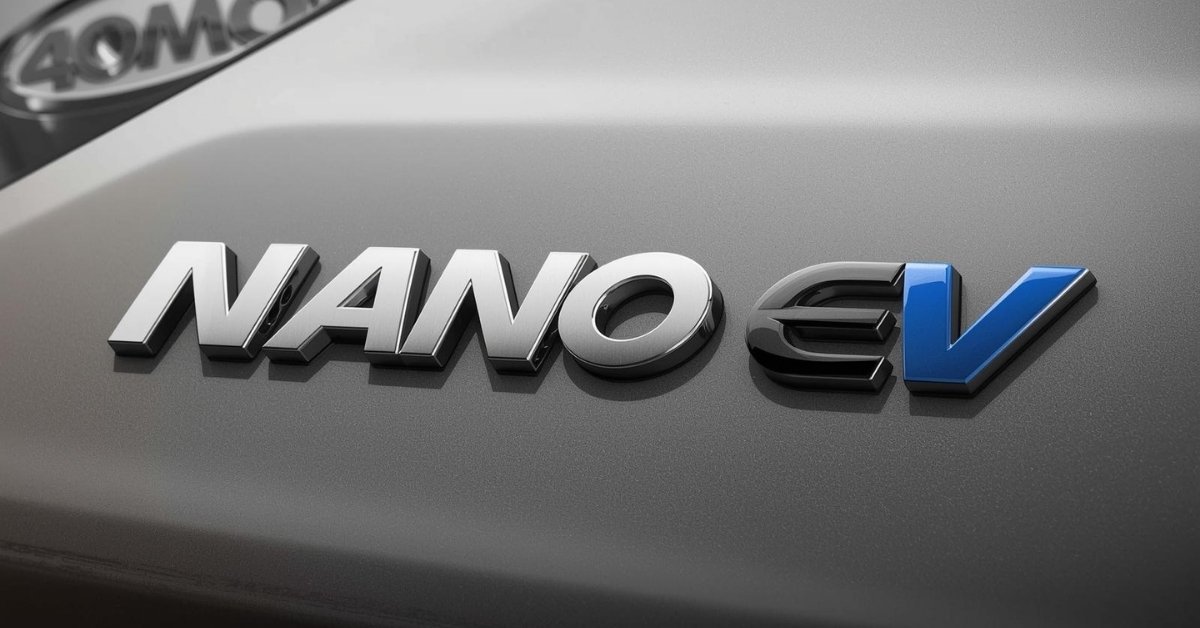
The tata nano ev represents a pivotal shift in India’s push toward accessible electric mobility, combining affordability with practical urban usability. Designed to serve the growing demand for zero-emission mobility, it is positioned as a compact solution for daily city use, especially among middle-class consumers seeking cost-efficient transportation.
With rising fuel prices and increasing environmental concerns, this entry-level EV concept aligns with India’s broader sustainable transportation goals. Expected to deliver a balance of efficiency, range, and low ownership cost, it has become a focal point in discussions around India’s electric vehicle landscape. Its appeal lies in redefining how affordable electric cars can support everyday urban commuting while reducing dependency on fossil fuels.
Tata Nano EV Expected Price
The future of affordable electric mobility in India is strongly associated with the idea of the tata nano ev, a concept that continues to generate attention across the Indian market. Positioned as a potential breakthrough from Tata Motors, this model is widely expected to redefine entry-level electric transportation. With increasing demand for zero-emission mobility, especially among middle-class consumers, the Nano EV is seen as a practical bridge between conventional hatchbacks and modern electric vehicles. Its estimated pricing, compact design, and urban practicality make it a highly discussed topic in India’s electric vehicle landscape. As cities expand and fuel costs rise, the Nano EV concept aligns with sustainable transportation goals and growing interest in fossil fuels dependency reduction.
The expected price of Tata Nano EV is projected between ₹3 to ₹5 lakh, making it one of the most affordable electric vehicles in the segment. This pricing strategy positions it as a direct competitor to entry-level EVs while targeting Tier 2 and Tier 3 cities. The affordability factor is central to its market positioning, ensuring that urban commuting becomes accessible to a wider demographic. Tata Motors is likely to focus on value-driven design, ensuring that cost efficiency does not compromise essential EV performance or usability in daily city use.
Expected Features of Tata Nano EV
The Tata Nano EV is expected to deliver a balance of simplicity and modern electric mobility features designed for urban commuting. Built on the foundation of affordability, the vehicle is anticipated to include essential smart technologies that enhance driving convenience without inflating cost. The focus remains on making zero-emission mobility practical for everyday users in crowded cities and expanding semi-urban regions.
One of the key expectations is a smart infotainment system designed to support basic connectivity needs. This includes Bluetooth connectivity along with support for Android Auto and Apple CarPlay, ensuring that even an entry-level EV offers modern digital integration. Such features are increasingly important for middle-class consumers who expect value-driven technology in compact vehicles.
In terms of comfort and convenience, Tata Motors is expected to equip the Nano EV with functional interior design optimized for urban driving. Features like compact seating ergonomics, lightweight build structure, and optimized storage space are likely to be included to support city use. Additionally, regenerative braking is expected to play a major role in improving energy efficiency during stop-and-go traffic conditions, which is typical in Indian cities.
Overall, the expected features highlight a strong focus on practicality, sustainable transportation, and accessibility, ensuring that the Nano EV remains aligned with the needs of first-time EV buyers in India.
What Users Are Saying About Tata Nano EV
Public interest in the Tata Nano EV continues to grow, especially among consumers who are closely watching India’s electric vehicle landscape. Discussions across automotive communities and urban commuters highlight a strong expectation that Tata Motors will revive the Nano platform in a fully electric form, tailored for modern-day transportation needs. Many users see it as a long-awaited solution for affordable city mobility.
A large segment of middle-class consumers views the Nano EV as a potential breakthrough in cost-effective EV adoption. The idea of owning a zero-emission vehicle at a significantly lower price point has generated optimism, particularly in Tier 2 and Tier 3 cities where entry-level EVs remain limited. Users often associate it with reduced running costs, simplified maintenance, and long-term savings compared to petrol-powered vehicles.
However, some concerns also exist regarding performance consistency, battery life, and charging infrastructure availability. Despite these concerns, the overall sentiment remains positive due to Tata Motors’ reputation in the EV sector. The brand’s success with other electric models has strengthened confidence in the Nano EV concept.
In essence, user discussions reflect a strong demand for sustainable transportation that is both affordable and practical, reinforcing the Nano EV’s perceived relevance in India’s evolving mobility ecosystem.
Price Point – Breaking New Ground
The proposed pricing structure of the Tata Nano EV is one of its most defining attributes. Positioned between ₹3 to ₹5 lakh, it aims to establish a new benchmark in the affordable electric car segment. This pricing strategy is designed to make electric mobility accessible to a much broader population, especially those who previously considered EVs financially out of reach.
By targeting the most affordable electric vehicle category, Tata Motors is addressing a critical gap in the Indian automotive market. The focus is not just on affordability but also on long-term ownership savings through reduced fuel and maintenance costs. This aligns strongly with the growing demand for sustainable transportation solutions in urban commuting environments.
The Nano EV’s pricing also positions it strategically against conventional small hatchbacks, making it an attractive alternative for first-time car buyers. In regions where fuel prices heavily impact household budgets, especially across Tier 2 and Tier 3 cities, this vehicle could significantly influence purchasing behavior.
If executed effectively, this pricing model could trigger a major shift in India’s EV adoption curve, making electric vehicles more mainstream and accelerating fossil fuels dependency reduction across personal transportation.
Powertrain and Performance
The powertrain and performance setup of the Tata Nano EV is expected to prioritize efficiency over high-speed capability, aligning with its role as a compact city-focused electric vehicle. Designed primarily for urban commuting, the vehicle is likely to feature a battery pack in the range of 20–25 kWh, offering a practical balance between cost and driving range.
With an estimated range of 150–200 kilometers per charge, the Nano EV is well-suited for daily city use, short intercity travel, and routine commuting. This range positions it as an ideal solution for users who require dependable mobility without frequent charging requirements. Fast-charging capability is expected to be a key feature, enabling up to 80% charge in under an hour, significantly improving convenience for urban users.
Regenerative braking will likely play an important role in extending battery efficiency, especially in congested traffic conditions. The powertrain and performance configuration will not focus on high acceleration but on smooth, consistent delivery suitable for stop-and-go driving environments.
Overall, the performance philosophy centers on efficiency, sustainability, and practicality, reinforcing its identity as a city-first electric vehicle within Tata Motors’ expanding EV portfolio.
Tech and Safety Features
The Tata Nano EV is expected to integrate essential technology and safety features that align with modern expectations while maintaining affordability. The goal is to ensure that even an entry-level EV offers a secure and connected driving experience.
On the technology side, the vehicle is likely to feature a smart infotainment system designed for basic connectivity and ease of use. Support for Bluetooth connectivity, Android Auto, and Apple CarPlay ensures seamless smartphone integration, enhancing convenience during urban commuting. These features are increasingly becoming standard even in compact EVs, reflecting changing consumer expectations.
From a safety perspective, the Nano EV is expected to include dual airbags and ABS (Anti-lock Braking System) as foundational safety components. These features are essential for ensuring driver and passenger protection in diverse road conditions across Indian cities. Reverse parking sensors are also anticipated, supporting safer maneuvering in tight urban spaces.
The combination of essential tech and safety features reflects Tata Motors’ approach to balancing affordability with reliability. By focusing on core safety requirements and practical digital features, the Nano EV aims to meet the expectations of first-time EV buyers without compromising on fundamental protection and usability.
Market Positioning
The market positioning of the Tata Nano EV is centered on accessibility and mass adoption. Designed as an entry-level EV, it targets consumers who are transitioning from two-wheelers or traditional petrol hatchbacks to electric mobility. This positioning places it firmly within the most affordable electric car category in India.
Tata Motors is expected to align the Nano EV with urban commuting needs, focusing on daily usability rather than premium performance. Its value proposition is built around low ownership cost, minimal maintenance, and environmentally friendly driving. This makes it particularly attractive for middle-class consumers who prioritize long-term savings.
In the broader Indian market, the Nano EV is strategically placed to strengthen adoption in Tier 2 and Tier 3 cities, where demand for cost-effective EV solutions is rapidly growing. It also complements India’s push toward sustainable transportation by reducing dependency on fossil fuels.
Overall, its market positioning emphasizes practicality, affordability, and scalability, making it a potential catalyst in reshaping the entry-level EV segment.
Launch Timeline
The anticipated launch timeline of the Tata Nano EV remains a subject of speculation, but expectations suggest a phased introduction strategy by Tata Motors. Industry observers believe the company may prioritize testing, regulatory compliance, and battery optimization before an official rollout.
Given the growing demand for electric vehicles in India’s urban and semi-urban markets, the timing of the launch will be crucial. Tata Motors is likely to align the release with increasing infrastructure readiness, including expansion of charging networks and improvements in EV adoption policies.
The launch strategy is expected to focus on maximizing market readiness, ensuring that both urban commuters and Tier 2 and Tier 3 cities are adequately prepared for entry-level EV adoption. This careful approach reflects the importance of positioning the Nano EV as a high-volume, mass-market product.
If executed strategically, the launch could mark a significant milestone in India’s EV journey, reinforcing Tata Motors’ leadership in the electric vehicle segment.
Market Impact
The potential market impact of the Tata Nano EV is significant, particularly in reshaping perceptions around affordable electric mobility. As a possible watershed moment for India’s electric vehicle ecosystem, it could accelerate mass adoption of EVs across diverse income groups.
By offering a low-cost alternative to traditional fuel-based vehicles, the Nano EV may contribute directly to fossil fuels dependency reduction. Its introduction could also stimulate competition among entry-level EV manufacturers, pushing innovation and affordability across the sector.
In urban environments, the vehicle is expected to support sustainable transportation goals by reducing emissions and promoting cleaner commuting options. Its influence may be especially strong in densely populated cities where pollution and traffic congestion remain major concerns.
Overall, the Nano EV’s market impact could extend beyond sales figures, potentially reshaping India’s broader EV adoption trajectory.
Ideal Car for City Driving
The Tata Nano EV is conceptually designed as an ideal solution for urban commuting. Its compact size, efficient powertrain, and expected range make it highly suitable for daily city use. Navigating traffic-heavy streets, narrow lanes, and short-distance travel becomes significantly easier with a vehicle designed specifically for such environments.
Its lightweight structure and regenerative braking system enhance efficiency in stop-and-go traffic, a common condition in Indian cities. For daily commuters, especially in metro regions and expanding urban centers, the Nano EV provides a practical mobility solution that reduces fuel dependency and operational costs.
This focus on urban commuting ensures that the vehicle remains aligned with real-world usage patterns, making it a strong candidate for first-time EV buyers seeking simplicity and affordability.
Tata Nano EV Launch Expectations
Expectations surrounding the Tata Nano EV launch are driven by high public anticipation and Tata Motors’ strong presence in the EV sector. Consumers expect a vehicle that combines affordability with essential modern features, without compromising reliability.
There is also an expectation that the launch will include competitive financing options to make ownership easier for middle-class consumers. Additionally, strong after-sales support and charging infrastructure partnerships will be critical for market acceptance.
The overall expectation is that Tata Motors will deliver a practical, mass-market EV that reinforces India’s transition toward sustainable transportation.
Tata Nano EV vs Other Affordable EVs
When compared to other entry-level EVs, the Tata Nano EV is expected to stand out primarily due to its pricing strategy and brand trust. While competing models may offer similar ranges or features, Tata Motors’ established reputation provides a significant advantage.
With a price range of ₹3–5 lakh, it undercuts many existing entry-level EVs, making it highly competitive in the affordable electric car segment. Its expected range of 150–200 km and fast-charging capability further strengthen its position.
In comparison, many competitors in the segment still struggle with affordability or limited infrastructure compatibility. This positions the Nano EV as a strong contender in India’s evolving EV ecosystem.
Final Verdict
The Tata Nano EV represents a potential turning point in India’s affordable electric mobility segment. With its focus on accessibility, sustainability, and urban practicality, it aligns closely with the needs of modern Indian consumers. If delivered as expected, it could significantly influence market dynamics and accelerate the shift toward zero-emission mobility in everyday transportation.

Celebrity net worth, biographies, and success stories. The Astroaliens reveals earnings, lifestyles, careers, and facts.